Had a great dinner here. I got a beer, water, rice, mixed vegetables and a beautiful fried snapper with garlic and pepper. The staff were great communicating despite my lack of Thai language skills. The restaurant is large and can definitely seat a crowd if you have a large group!
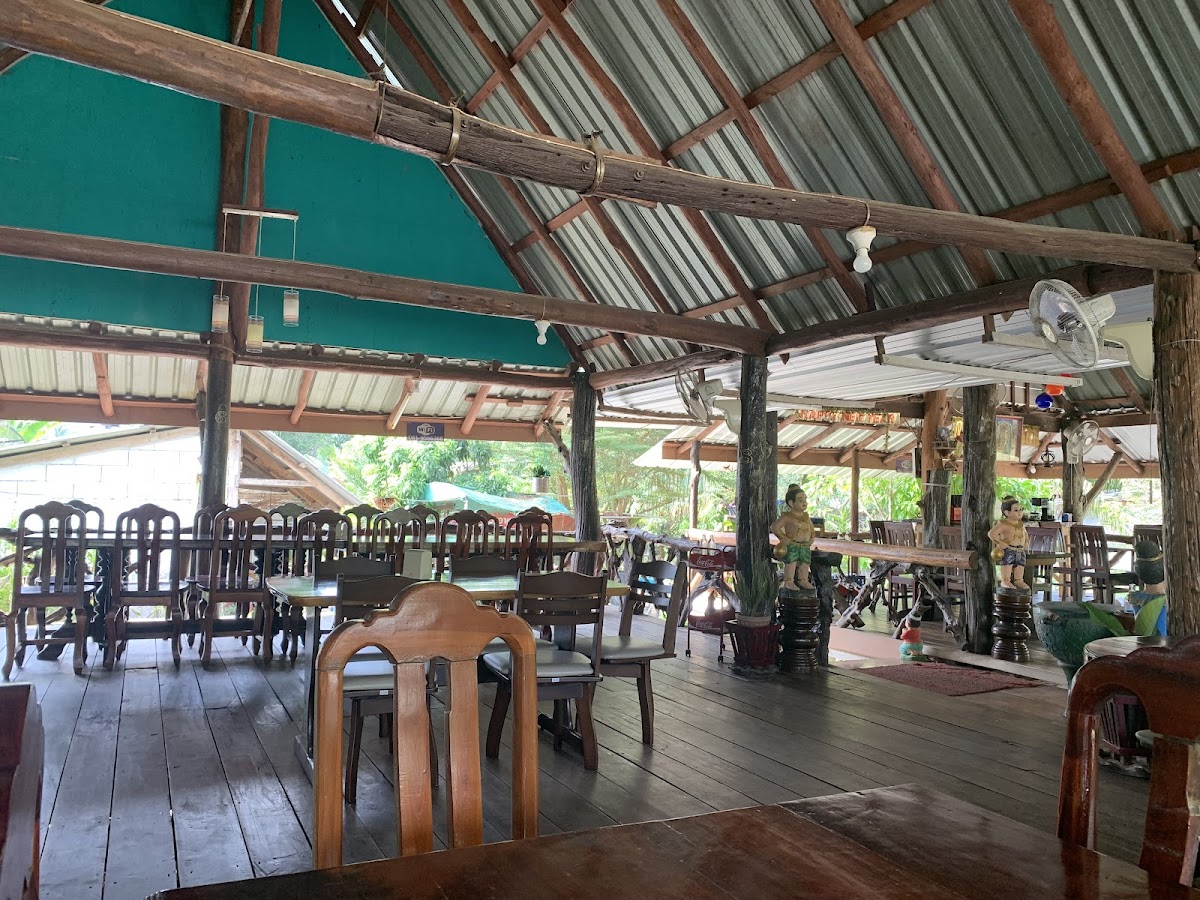
Overview
Walking into Bai Ya Restaurant for the first time, I wasn’t chasing hype or a viral food spot. I was hungry after a long drive through Khura, Khura Buri District, Phang Nga 82150, Thailand, and locals kept pointing me toward a modest roadside diner where food is cooked the way it has always been cooked. That recommendation alone turned out to be the most reliable review I could’ve asked for.
Bai Ya Restaurant sits comfortably among rubber plantations and coastal routes, making it a practical stop for fishermen, families, and travelers moving between Phang Nga’s quieter districts. The location isn’t polished or touristy, but that’s exactly why the place works. In Thailand, diners like this often outshine trendier spots, and my experience backed that up immediately.
The menu focuses on Southern Thai comfort food, and it’s written with clarity rather than excess. Dishes like turmeric-fried fish, spicy seafood stir-fries, and slow-simmered curries dominate the board. I watched the kitchen prepare meals to order, a process that mirrors traditional Thai home cooking: fresh ingredients, high heat, and minimal shortcuts. When my plate arrived, the flavors were bold without being overwhelming, and the balance of spice and acidity felt deliberate rather than accidental. One dish that stood out was the slow-cooked fish curry, which used locally sourced herbs that released aroma before the spoon even touched the bowl.
From a professional food perspective, this style of cooking aligns closely with what Thailand’s Ministry of Public Health promotes for traditional eateries: fresh preparation, limited processing, and local sourcing. Research published by the World Health Organization highlights that freshly prepared meals reduce the risk of food contamination when handled properly, and Bai Ya’s open-kitchen setup makes those hygiene practices easy to observe. While I can’t verify every sourcing detail, the visible cleanliness and steady local traffic suggest strong community trust.
What makes this diner memorable isn’t just the food, but how consistently it delivers. I spoke with a nearby shop owner who eats here several times a week, and his experience echoed my own. He mentioned that the unchanging menu favorites are exactly why people return. Consistency, especially in rural dining, often matters more than novelty. According to Thailand’s Tourism Authority, repeat local customers are one of the strongest indicators of restaurant quality outside major tourist zones, and this place fits that pattern cleanly.
Service here is informal but attentive. Orders are taken quickly, food arrives hot, and staff members move with the confidence of people who know their routine well. There’s no scripted friendliness, just genuine efficiency. Reviews from regulars often highlight the reliable flavors and the feeling of being welcomed without fuss, which matches my own visit closely.
Price-wise, Bai Ya Restaurant stays accessible. Portions are generous, and the value aligns with what most diners in Phang Nga expect from a neighborhood restaurant. For travelers watching their budget, this is the kind of spot that offers real Thai food without inflated costs tied to tourism trends.
That said, there are limitations worth acknowledging. English isn’t widely spoken, and the menu may not explain every dish in detail. If you’re unfamiliar with Southern Thai cuisine, pointing at neighboring plates or asking for recommendations is the best approach. Also, operating hours can shift slightly based on ingredient availability, something common in locally driven kitchens.
Overall, the strength of this restaurant lies in its simplicity, steady execution, and deep connection to its location. The food reflects the rhythms of Khura Buri life, shaped by the sea, nearby farms, and everyday routines. For anyone exploring Phang Nga beyond its famous viewpoints, this diner offers an honest taste of the region that feels earned rather than staged.
Good to know
Service options
✓ Outdoor seating ✓ Takeaway ✓ Dine-inHighlights
✓ Great tea selectionPopular for
✓ Lunch ✓ Dinner ✓ Solo diningOfferings
✓ Alcohol ✓ Beer ✓ Coffee ✓ Quick bite ✓ Small platesDining options
✓ Breakfast ✓ Brunch ✓ Lunch ✓ Dinner ✓ Dessert ✓ Seating ✓ Table serviceAmenities
✓ ToiletAtmosphere
✓ Casual ✓ Cosy ✓ QuietCrowd
✓ Groups ✓ TouristsPlanning
✓ Lunch reservations recommended ✓ Dinner reservations recommended ✓ Accepts reservationsChildren
✓ Good for kids ✓ Kids' menuParking
✓ Free of charge street parking ✓ Free parking lot ✓ ParkingPhotos
1 / 4
Location
Reviews
- No ratings yet 150 reviews
Very delicious food!! Very fresh fish and crab meat. Highly recommend!!
A lovely place to stop by for a eat. The lady boss is friendly and the place is clean.
Great place for lunch when driving from Phuket to Ranong. Take recommendations from Khun Paow, she didn’t lead us astray. We had delicious sand fish I would have never tried. Veg and omelet delicious. Her chilies are home grown and sweet with a little kick but not killers. Crab fried rice was huge chunks of delicious sweet crab. Note on small sand fish- They eat the whole fish but I recommend pulling off head and pull out the spine. Very mild, tasty white fish.
Very nice local restaurant, lovely and friendly owner. Fresh seafood and good amount of serving. We went there because we were staying the night at a nearby hotel before going to Mu Koh Surin Islands the next day. Totally recommended.
Fantastic dinner here, recommended from hotel nearby. The boss lady guided us to crab curry and pepper garlic squid (really tender and fresh). Lovely meal and great atmosphere - enjoy.
Delicious food. The huge prawns in tamarind sauce is a must try and the best I have ever had. Great service and friendly staff
Best restaurant on the place. Maybe the only one. Staff does all to make you happy. Great food. They even have fresh coffee from espresso machine!